The real benefits of lavender soap for skin, face and relaxation, its side effects and when not to use lavender, how to choose a genuine bar, and a simple evening ritual.
- Published
- October 12, 2026
- Reading time
- 7 min read
- Topic
- Skin & routine
- Author
- Oryvane
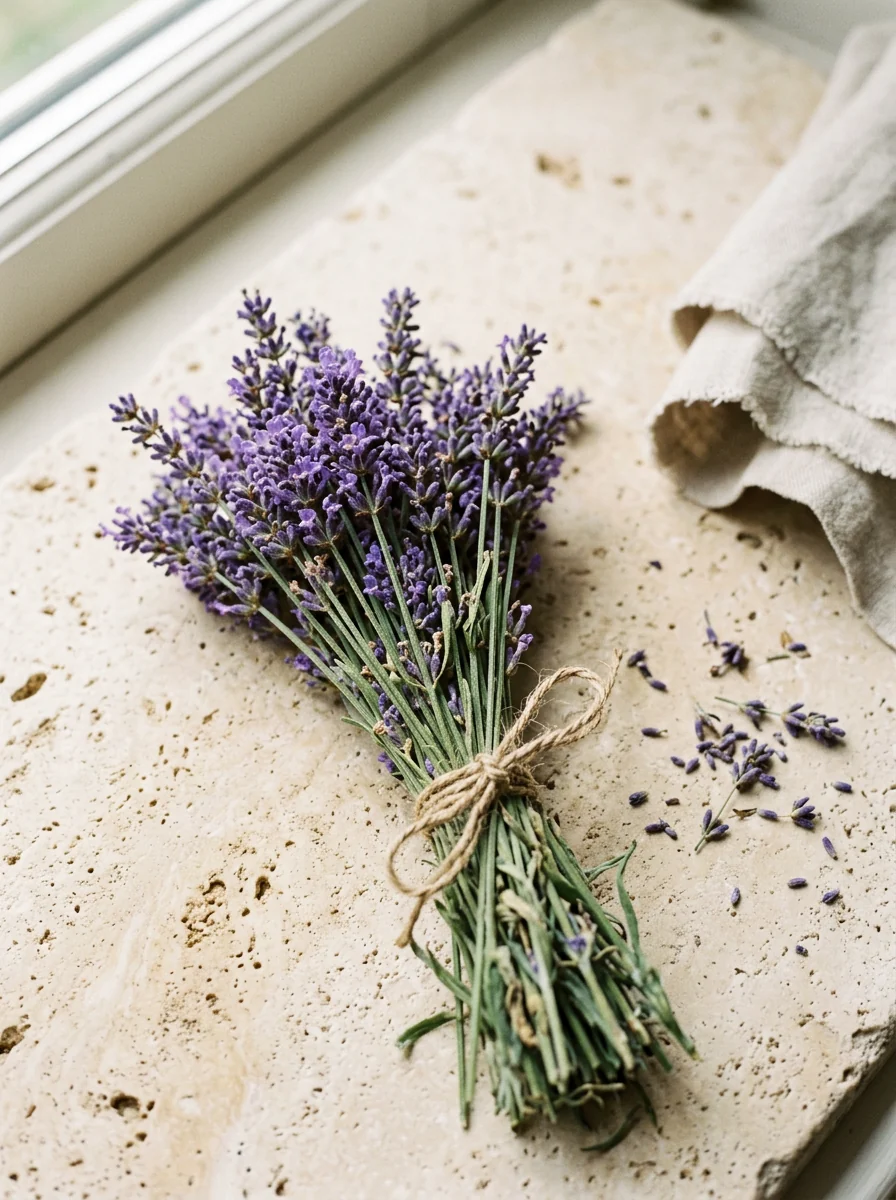
The name gives it away. Lavender is generally thought to come from the Latin lavare, to wash. The Romans scented their baths with it, medieval households strewed it among clean linen, and it is still the scent most people reach for when they want a room, a drawer or a bar of soap to smell calm and clean.
A lavender bar will not solve a sleepless night on its own. Used as part of an unhurried evening wash, though, it can become a signal to your body that the day is over. This article explains why, and offers a simple routine to try.
The plant and its scent
Lavender is a shrub of dry, sunny hillsides, native to the Mediterranean and now grown from Provence to the Aegean coast and far beyond. Its scent comes from an essential oil held in tiny glands on the flowers. The main aromatic components of true lavender are linalool and linalyl acetate, which give it that soft, floral, faintly herbal character. Other species, such as lavandin, are sharper and more camphor-like.
In soap, lavender oil does two jobs. It gives the bar its fragrance, and it pairs naturally with mild base oils to produce a wash that feels gentle. The scent in a well-made bar is present but not loud, and it fades from the skin soon after rinsing.
What the research says, carefully
Lavender is one of the most studied scents in aromatherapy. A number of small studies have found that inhaling lavender is associated with people feeling calmer and reporting better sleep quality. That is encouraging, but it needs context. Many of these studies are small, they vary in quality, and it is difficult to design a convincing placebo for something you can smell.
So we would put it this way: there is reasonable, if modest, evidence that many people find the scent of lavender relaxing, and very good everyday evidence that a warm, quiet wash at the end of the day feels good. A lavender soap is not a medicine and should not be described as one. If you struggle with sleep or anxiety, please talk to a doctor.
Why a ritual works
Much of the benefit of an evening routine comes from the routine itself. When you repeat the same few calming steps at the same time each night, your body starts to treat them as a cue. Scent is a particularly strong cue, because smell is closely tied to memory and mood. Use the same bar every evening for a fortnight and the scent alone begins to say: slow down.
Warm water helps too. A warm bath or shower an hour or two before bed raises skin temperature; as you cool down afterwards, the drop in body temperature is one of the signals that prepares you for sleep.
A ten-minute evening ritual
| Step | What to do | Time |
|---|---|---|
| 1. Set the room | Dim the lights. Leave your phone outside the bathroom. | 1 minute |
| 2. Warm water | Shower or wash at a warm, not hot, temperature. Let the steam build. | 2 minutes |
| 3. Lather slowly | Turn the bar between your palms and breathe in the scent before you begin. | 1 minute |
| 4. Wash without hurry | Slow circles from shoulders down, or face, neck and hands at the basin. | 3 minutes |
| 5. Rinse and cool | Rinse well. Finish slightly cooler if you like. | 1 minute |
| 6. Dry and moisturise | Pat dry with a clean towel; apply moisturiser to damp skin. | 2 minutes |
No bath or shower tonight? The basin version works nearly as well. Wash your face, neck, hands and forearms slowly with warm water and the same bar. It is the pause that matters, not the plumbing.
Small additions that help
- Keep the bar where you can smell it. A lavender bar on an open dish gently scents a small bathroom.
- Use the same towel and the same order of steps. Predictability is the point.
- Put a spare, still-wrapped bar in a drawer of clothes or bed linen. It is the oldest trick in the lavender book.
- Avoid bright screens for the half hour afterwards, or the ritual has to compete with your inbox.
Who should take care
Lavender is well tolerated by most people, but it is a real botanical with fragrant components, and a small number of people are sensitive to them. If you know that fragranced products irritate your skin, test a new bar on the inside of your forearm for a couple of days first, or choose an unscented soap and enjoy lavender in the room instead.
For young children, and during pregnancy, it is sensible to be cautious with strongly scented products in general and to follow the advice of your doctor or midwife. As ever, stop using anything that causes redness, stinging or itching.
Choosing a lavender bar
Look for lavender oil named in the ingredients rather than the single word fragrance, which can mean a synthetic blend. A natural lavender bar is usually cream to soft lilac in colour; an intense purple generally comes from dye. And smell it if you can: real lavender is floral and herbal, with a slightly woody note underneath, never sugary.
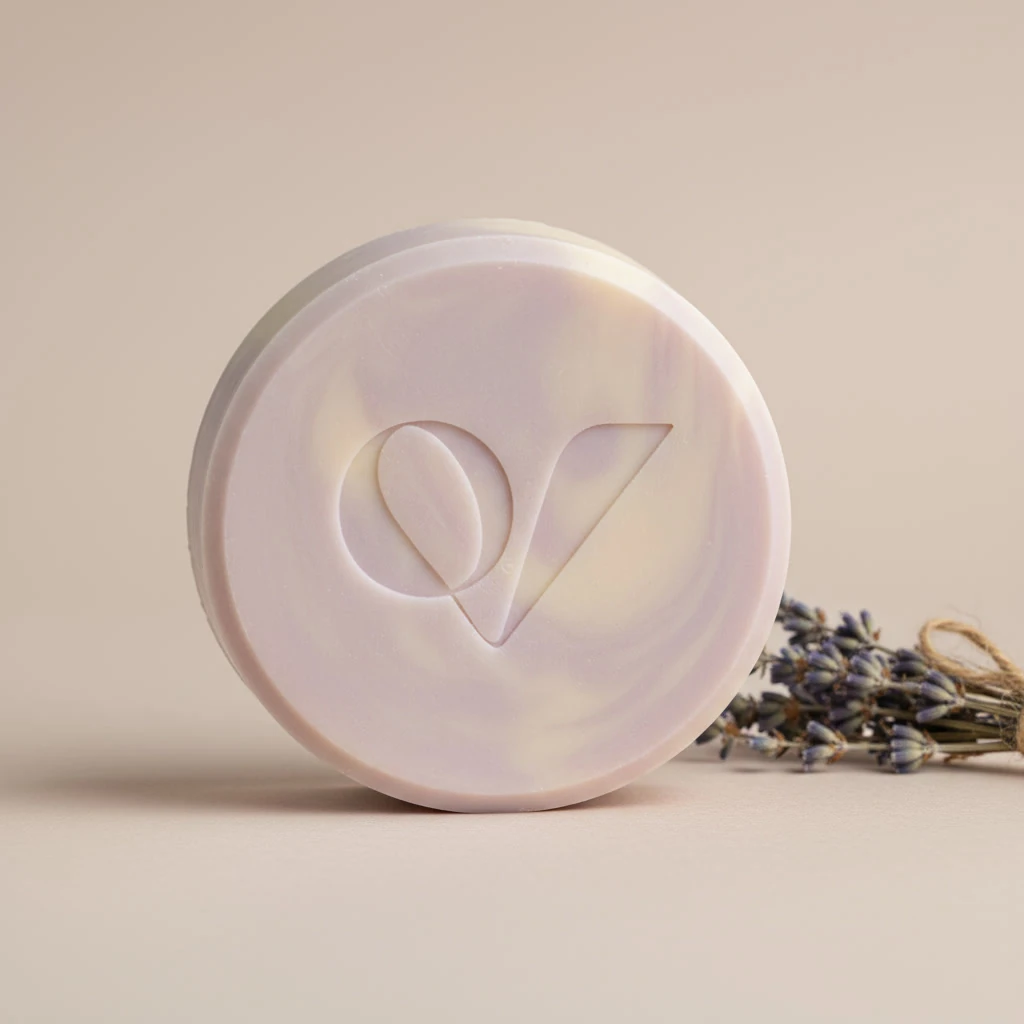
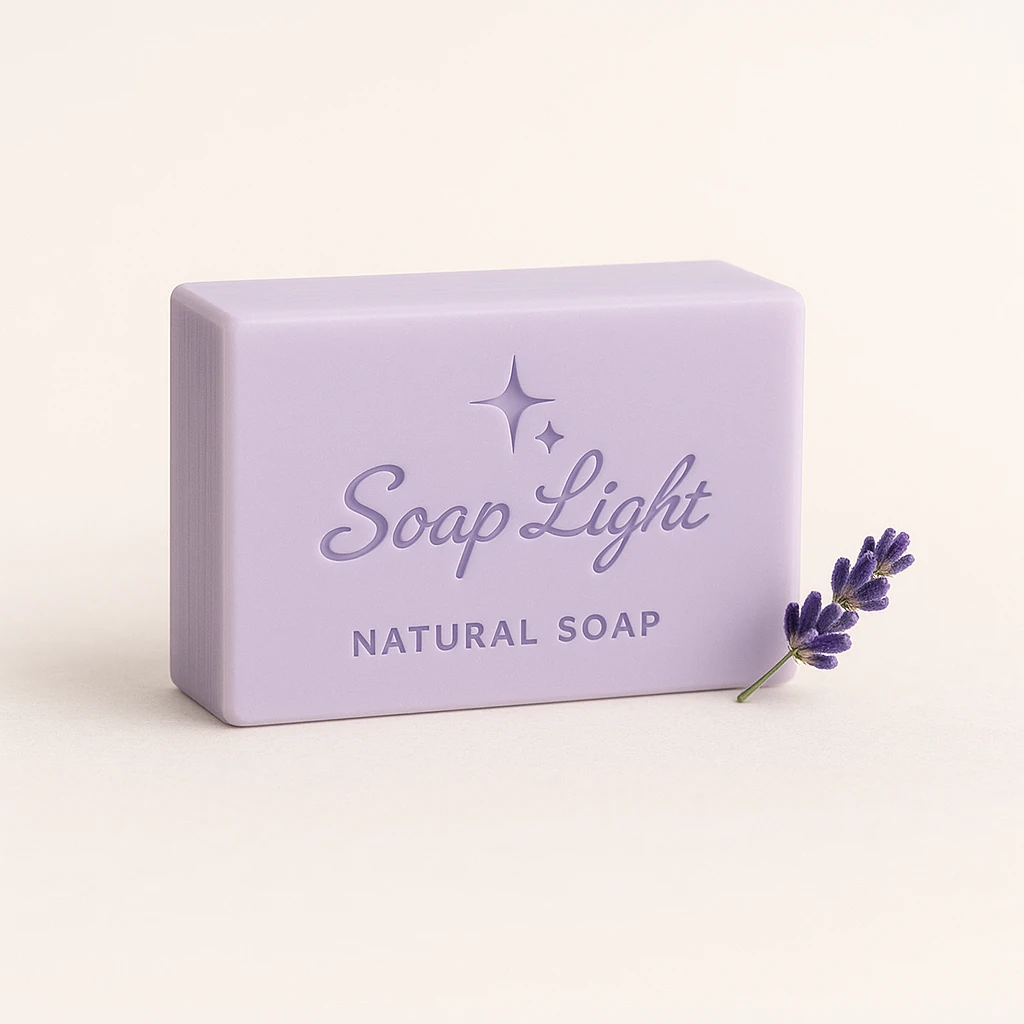
We make two. The Oryvane Lavender Harmony Bar is our marbled signature round, and the Soaplight Lavender Harmony Bar is the lighter everyday version. Either will do the job described here. The ritual matters more than the bar.
Lavender soap benefits for skin
Most of what lavender soap does for your skin comes from the soap itself: a well-made bar built on mild oils cleans gently and rinses away cleanly. The lavender oil contributes the scent, and with it the pleasure of using the bar. Some laboratory studies suggest components of lavender oil have antimicrobial or soothing properties, but those effects are measured at concentrations and contact times very different from a rinse-off soap, so it is fairer to treat lavender in soap as a sensory ingredient rather than a treatment.
Is lavender soap good for the face?
For most normal and oily faces, a mild lavender bar is fine. Fragrance is one of the commonest causes of skin reactions, though, so if your face is sensitive, dry or prone to redness, an unscented bar is the safer choice for the face, and you can keep the lavender bar for your body and hands.
When not to use lavender
- If you have had a reaction to lavender or to fragranced products before.
- On broken, sunburnt or freshly shaved skin, where any fragrance is more likely to sting.
- For young children, without your doctor's or pharmacist's advice on scented products.
- During pregnancy, if you have been advised to avoid essential oils; check with your midwife or doctor.
- As a substitute for medical care for sleep problems or anxiety.
Lavender soap side effects
Side effects are uncommon and usually mild: redness, itching or a rash where the soap was used, most often in people sensitive to fragrance. Stop using the bar if this happens. A patch test on the inside of the forearm for two or three days before using a new scented soap all over is a simple precaution.
True lavender or lavandin: what is in your bar?
Not every bar that smells of lavender contains the same plant. True lavender, Lavandula angustifolia, is the soft, sweet, floral lavender most people imagine. Lavandin is a hybrid that grows larger and yields much more oil, so it is cheaper; its scent is sharper and more camphor-like. Spike lavender is more medicinal still. All are genuine lavender oils, and lavandin is perfectly good in soap, but they smell noticeably different.
Then there are fragrance oils, synthetic blends designed to smell like lavender. They are cheaper and more stable, but they are not lavender oil. On an ingredient list, a named essential oil such as Lavandula angustifolia oil tells you exactly what is inside, while the single word fragrance or parfum could be anything. Some natural lavender oils also require their components, such as linalool, to be listed separately as potential allergens, so seeing linalool on a label is not a bad sign in itself.
Colour is another clue. Lavender oil does not make soap purple. A cream or soft grey bar with flecks of dried flowers is typical of a natural lavender soap; a vivid violet bar has been coloured. Dried lavender buds in soap often turn brown during curing, which is normal rather than a defect.
Whichever you choose, smell it first if you can. The right lavender bar is the one whose scent you look forward to at the end of the day, because that is what turns a wash into a ritual.
It is the pause that matters, not the plumbing.
Frequently asked questions
What are the benefits of lavender soap?
A gentle clean from its base oils and a calming scent that many people find relaxing, which makes it a natural choice for an evening wash.
Is lavender soap good for the face?
For most normal and oily faces, yes. If your facial skin is sensitive or dry, an unscented bar is safer for the face.
When should you not use lavender?
If you react to fragrance, on broken or sunburnt skin, for young children without advice, and during pregnancy if advised to avoid essential oils.
Does lavender soap help you sleep?
A soap cannot treat sleep problems. Many people find the scent relaxing and a warm evening wash helps them wind down; persistent sleep trouble needs a doctor.
What are the side effects of lavender soap?
Uncommon and usually mild: redness or itching in people sensitive to fragrance. Patch test first if your skin reacts easily.
Can lavender soap irritate sensitive skin?
It can in a small number of people. Patch test on your forearm before using it more widely.