How to choose the best bar soap for dry, extremely dry, ageing, oily or sensitive skin: what to look for on the label, what to avoid, and a simple two-week test.
- Published
- October 12, 2026
- Reading time
- 7 min read
- Topic
- Skin & routine
- Author
- Oryvane
Standing in front of a shelf of soap bars, most people choose by scent or by looks. There is nothing wrong with that; a soap you enjoy is a soap you will use. But if your skin is often tight, shiny or easily irritated, a little more thought pays off. The base oils in a bar matter far more than the colour or the name.
This guide gives you a simple way to work out what your skin wants, and matches each need to the kind of bar that tends to suit it.
First, read your skin
You do not need a consultation. Wash your face in the evening with whatever you normally use, pat it dry, apply nothing, and wait an hour. Then look and feel.
- Tight, rough or flaky: your skin leans dry.
- Shiny across forehead, nose and chin, with visible pores: it leans oily.
- Shiny in the centre but tight on the cheeks: combination.
- Comfortable all over: normal. Lucky you.
- Red, stinging or itchy after most products: sensitive, which can overlap with any of the above.
Skin is not fixed. It changes with the seasons, with age, with central heating and with how you have been washing it. Many people are dry in winter and normal in summer, or oily on the face and dry on the shins. It is perfectly reasonable to keep two bars for that reason.
The quick guide
| Your skin | Look for | From our shelf |
|---|---|---|
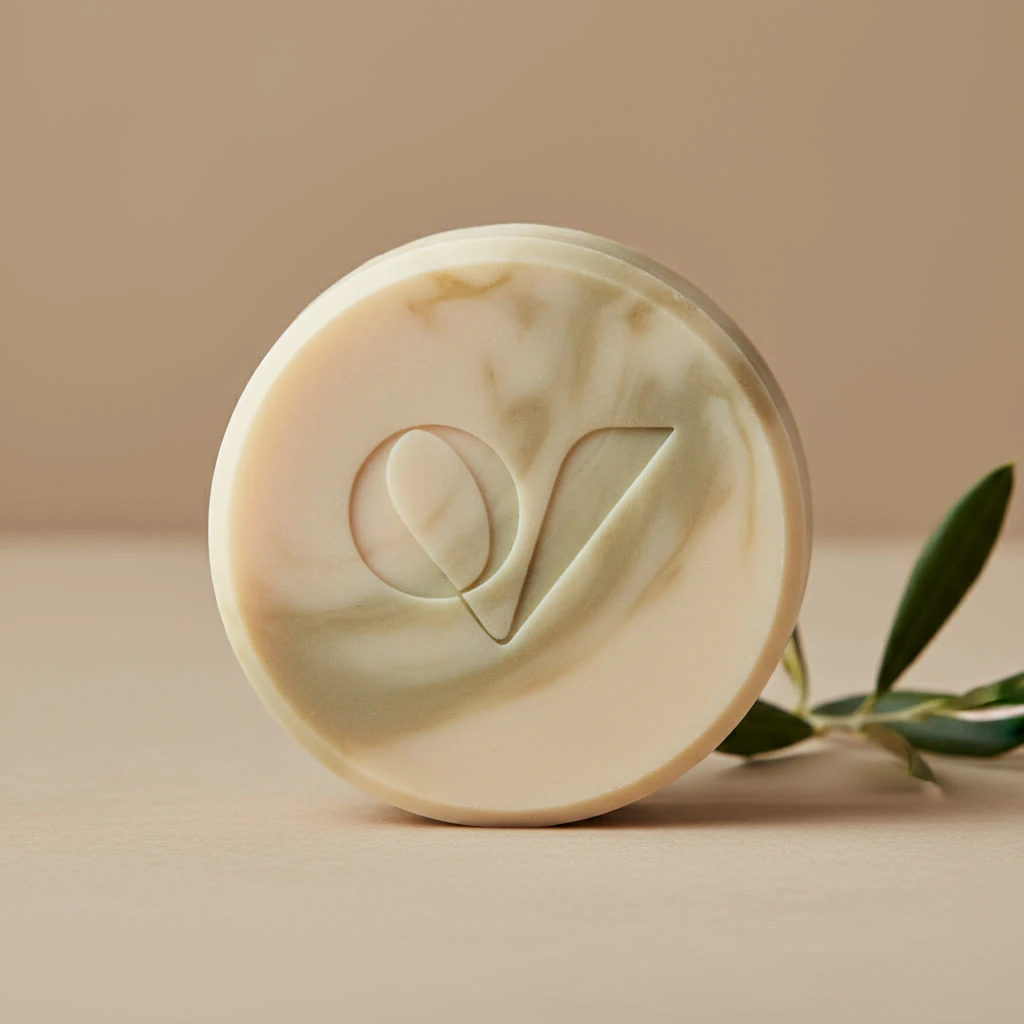
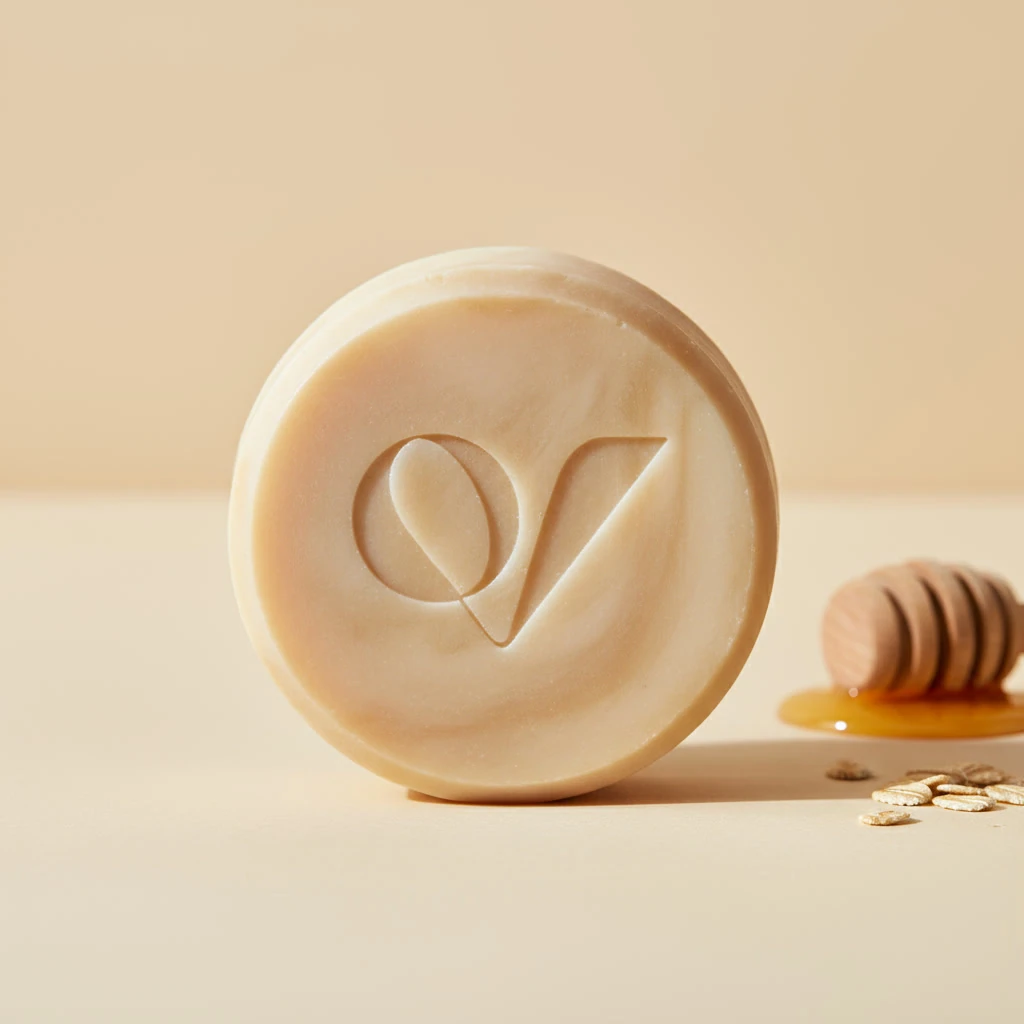
| Dry | Milk, honey and rich plant oils; creamy lather | Goat Milk & Honey, Pure Goat Milk, Pistacia & Olive Care |
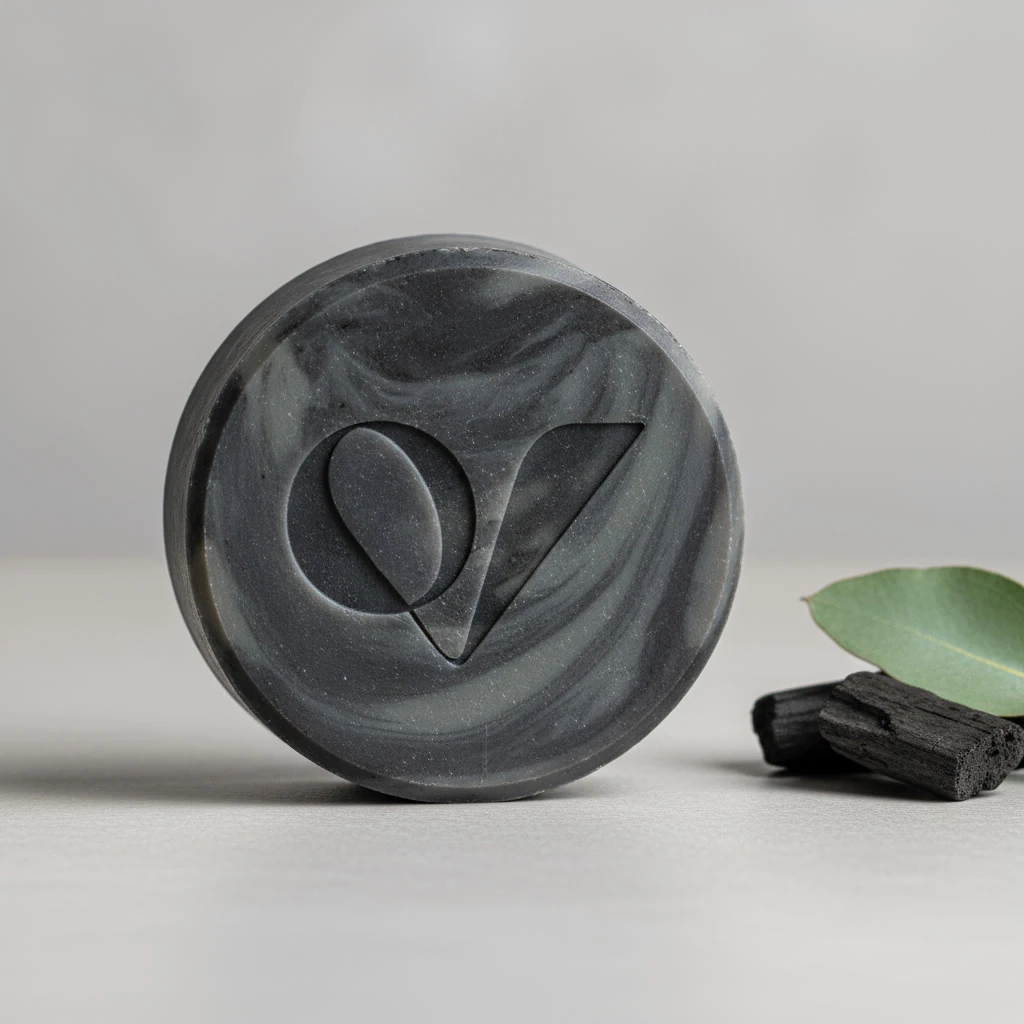
| Oily | A deeper clean with a matte finish | Charcoal Detox, Turkish Hammam Pure |
| Combination | A mild all-rounder, plus a deeper bar a few times a week | Pure Castile, with Charcoal Detox on the side |
| Normal | Whatever you enjoy; keep it mild | Pure Castile, Lemon Zest, Pomegranate Blossom |
| Sensitive | Short ingredient list, little or no scent | Pure Castile, Donkey Milk Silk |
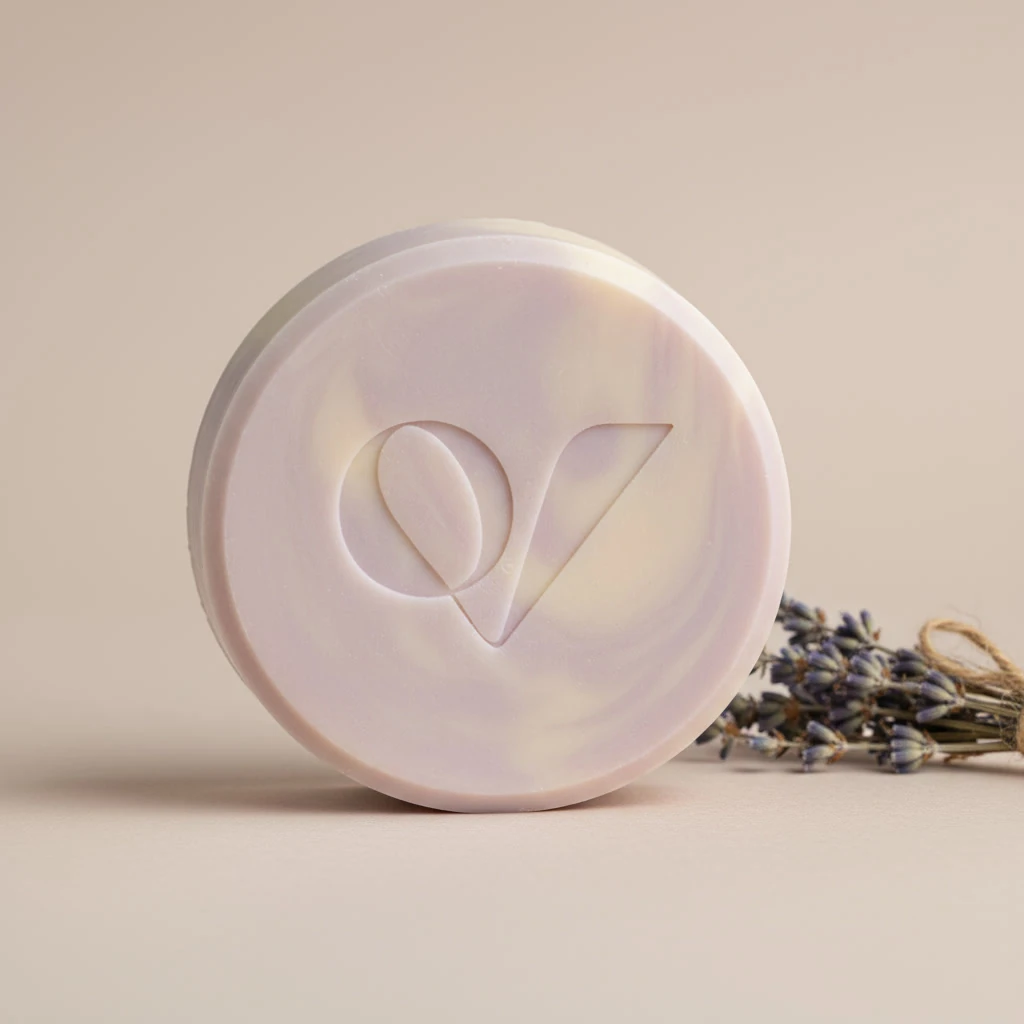
| Tired, and it is late | A calming scent and warm water | Lavender Harmony |
If your skin is dry
Dry skin lacks oil, and harsh cleansing removes what little it has. Your priority is a bar that cleans gently and leaves something behind. Milk soaps are the traditional answer: the extra fats and natural sugars in the milk give a dense, cushioned lather that rinses away without tightness. Bars rich in olive oil are the plant-based alternative.
Technique matters as much as the bar. Use warm rather than hot water, keep showers short, pat dry instead of rubbing, and apply a moisturiser within a few minutes while skin is still slightly damp.
If your skin is oily
Oily skin wants a thorough clean, and the temptation is to scrub it into submission. Resist. Skin that is stripped tends to respond by producing more oil. Choose a bar that leaves a clean, matte feel without burning, such as one with activated charcoal or a classic olive and laurel bar, and use it once or twice a day, no more.
Then moisturise lightly. It sounds contradictory, but oily skin that is kept comfortable is usually better behaved than oily skin that is kept squeaky.
If your skin is combination
Treat the whole face to a mild everyday bar, and bring in something more clarifying on the oilier central zone two or three times a week. A pure olive oil bar is a good daily base because it is hard to overdo.
If your skin is sensitive
The fewer ingredients, the fewer things there are to react to. Look for a very short list, no synthetic fragrance and no dye. A plain olive oil bar is the usual starting point. Introduce one new product at a time, and test it first: wash a small patch on the inside of your forearm for two or three days before using it on your face.
Natural does not automatically mean gentle. Essential oils and botanicals are real substances with real effects, and a small number of people react to them. If you know you are sensitive to fragrance, choose the least scented bar available.
And remember that all true soap is alkaline. Most skin copes with that easily. If yours reacts to every soap you try, a non-soap cleanser may be the better choice, and that is worth discussing with a dermatologist.
Body, hands and face are different
The skin on your back and chest is thicker and oilier than the skin on your shins, which is among the driest on the body. Hands are washed so often that they dry out whatever your skin type. It makes sense to use a clarifying bar where you sweat and a richer one where you are dry, and to keep a mild, creamy bar by the basin for hands.
Give it two weeks
Skin takes time to settle after a change. Unless a new bar causes stinging, redness or itching, in which case stop at once, use it consistently for two weeks before judging it. Notice how your skin feels an hour after washing, not in the first thirty seconds. That is the real test.
If you still cannot decide, begin with the simplest bar on the shelf. A plain olive oil soap suits most people most of the time, and it gives you a neutral baseline from which to explore.
What to look for in a bar soap for dry skin
- Rich, mild oils high on the ingredient list, such as olive oil, or milk.
- Glycerin kept in the bar. Handmade cold-process soaps retain it naturally.
- A superfatted recipe, meaning a little oil is left unreacted to cushion the wash.
- Little or no added fragrance, especially if your skin is also sensitive.
- A creamy rather than a big, bubbly lather. Bubbles are not a measure of cleaning power.
What to avoid if your skin is dry
- Heavily perfumed bars and strong essential oil blends.
- Bars built mostly on oils that give very strong cleansing, such as high-coconut recipes, unless balanced with gentler oils.
- Daily use of charcoal, clay or exfoliating bars.
- Long, hot showers. They dry skin out whatever soap you use.
Extremely dry or ageing skin
Skin tends to produce less oil with age, and very dry skin can crack, itch and sting. If that describes yours, use the mildest, richest bar you can find, only where you need it (underarms, groin, feet and hands), and simply rinse the rest of the body with lukewarm water on most days. Moisturise straight after showering. If dryness is severe or itchy, see a doctor: it can be a sign of eczema or another condition that needs more than a change of soap.
What do dermatologists recommend?
Dermatologists commonly suggest gentle, fragrance-free cleansers for dry and sensitive skin, and many recommend non-soap synthetic bars because they are formulated closer to the skin's own pH. A carefully made, mild, unscented natural soap suits many people too. The principles are the same either way: gentle, unscented, short showers and a moisturiser afterwards. If you have a diagnosed skin condition, follow your own dermatologist's advice.
Choosing soap for a whole household
Most homes do not have one skin type. A teenager with oily skin, a parent with dry winter hands and a grandparent with thin, sensitive skin may all share a bathroom. Rather than looking for one perfect soap, it usually works better to keep a small, deliberate selection.
| Where | What to keep | Why |
|---|---|---|
| The basin | A mild, creamy bar such as goat milk or olive oil | Hands are washed most often and dry out fastest |
| The shower | A gentle everyday bar | For the whole body, most days |
| One shelf for oily skin | A charcoal or olive and laurel bar | For the back, chest or face of those who need a deeper clean |
| The guest room | An unscented olive oil bar | Least likely to bother anyone |
Give each person their own bar for the face if they wash it with soap, and keep every bar on a dish that drains. Small bars or half bars are useful here: they dry faster and you can offer more choice without a crowded shelf.
If anyone in the household has eczema, a diagnosed skin condition or very young skin, choose their cleanser with their doctor's advice and keep it separate. For everyone else, the rule from the top of this guide still applies: let each person judge their soap by how their skin feels an hour after washing.
Judge a soap by how your skin feels an hour after washing, not in the first thirty seconds.
Frequently asked questions
What is the best bar soap for extremely dry skin?
A very mild, unscented bar rich in olive oil or milk, used only where needed, followed by a moisturiser. Severe or itchy dryness is worth discussing with a doctor.
What is the best soap for dry skin?
One with gentle oils or milk near the top of the ingredient list, its natural glycerin intact, little or no fragrance, and a creamy lather.
What is the best soap for ageing dry skin?
The mildest, richest bar you can find, used sparingly, with lukewarm water and an immediate moisturiser.
What soap do dermatologists recommend?
Generally gentle, fragrance-free cleansers. Many recommend non-soap bars for very dry or sensitive skin; a mild natural soap suits many people too.
Which soap is best for oily skin?
A bar that cleans thoroughly with a matte finish, such as charcoal or olive and laurel, used once or twice a day with a light moisturiser.
How long should I try a new soap before deciding?
About two weeks, unless it causes stinging, redness or itching, in which case stop immediately.