Bar soap or body wash? A fair comparison on dry skin, body odour, hygiene, cost and waste, what dermatologists say, and why people stopped (and started again) using bar soap.
- Published
- October 12, 2026
- Reading time
- 8 min read
- Topic
- Skin & routine
- Author
- Oryvane
For a couple of generations the bottle was winning. Liquid body wash was sold as modern and hygienic, and the bar of soap by the basin started to look like something from a grandparent's bathroom. That has changed. Bars are back on the shelf, and people are asking a reasonable question: is one actually better than the other?
The honest answer is that both clean you perfectly well. They differ in what they are made of, how they feel, what they cost per wash, and what they leave behind. Here is a fair comparison.
What each one is
A traditional bar soap is made by reacting oils with an alkali. The finished bar is soap, glycerin and a little unreacted oil. It is solid, concentrated and contains almost no water.
A liquid body wash is usually not soap in the chemical sense. It is a blend of synthetic or plant-derived cleansing agents, called surfactants, dissolved in water, with thickeners, preservatives to keep the watery mixture from spoiling, fragrance and often colour. Water is typically the first and largest ingredient.
There are hybrids. Some bars are made from the same mild surfactants as body wash, pressed solid, and some liquids are true soap. But the two descriptions above cover most of what you will meet.
The comparison at a glance
| Bar soap | Liquid body wash | |
|---|---|---|
| Main ingredient | Saponified oils | Water |
| Ingredient list | Short | Longer; needs preservatives |
| pH | Alkaline, around 9 to 10 | Often closer to skin's own, around 5 to 7 |
| Lather | From creamy to bubbly, depending on the oils | Abundant, especially with a sponge |
| Packaging | Paper or none | Plastic bottle and pump |
| Lasts | Weeks, if kept dry | Varies; easy to over-pour |
| Travel | No liquid limits, cannot leak | Counts as a liquid, can leak |
On your skin
This is the comparison where body wash has a genuine point in its favour: pH. Healthy skin is slightly acidic. True soap is alkaline, and washing with it raises the skin's surface pH for a while. For most people that is of no consequence; skin returns to normal by itself. For some people with very dry or reactive skin, a cleanser closer to the skin's own pH is more comfortable.
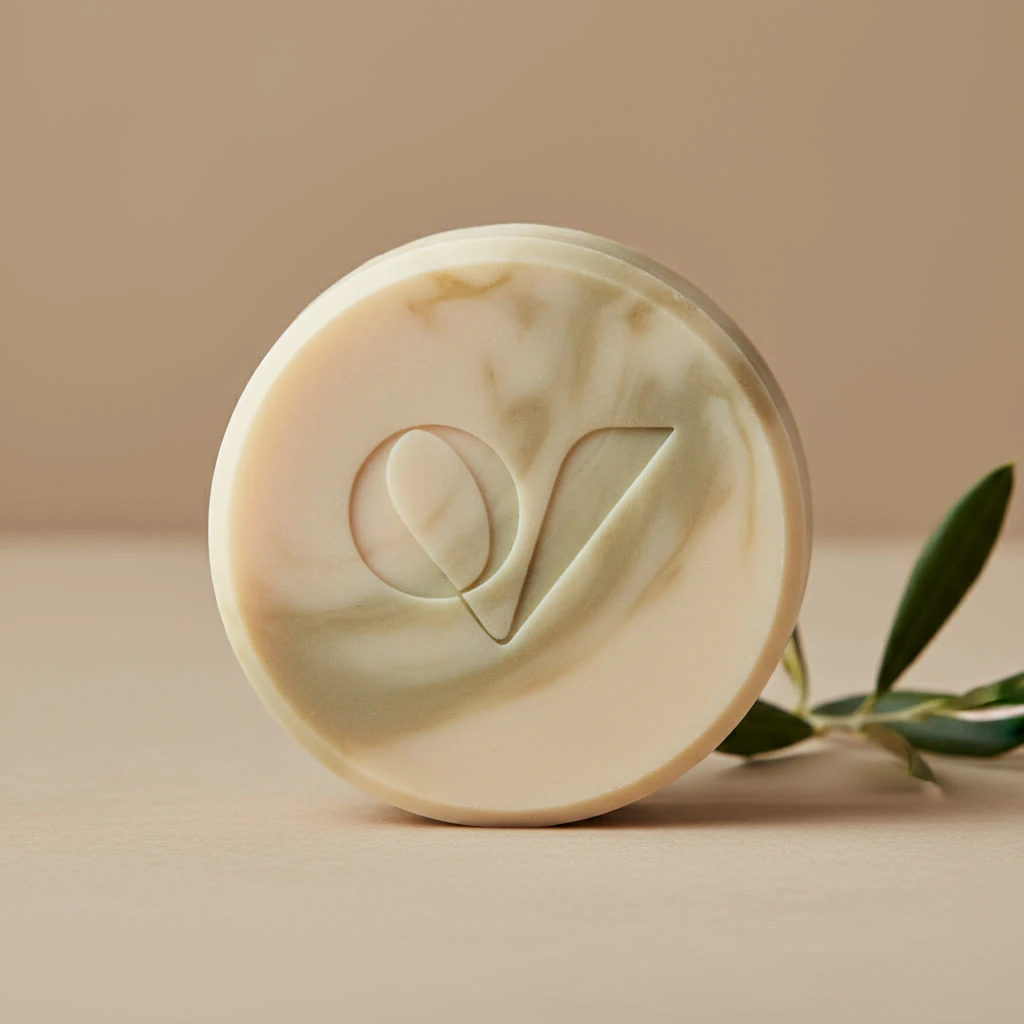
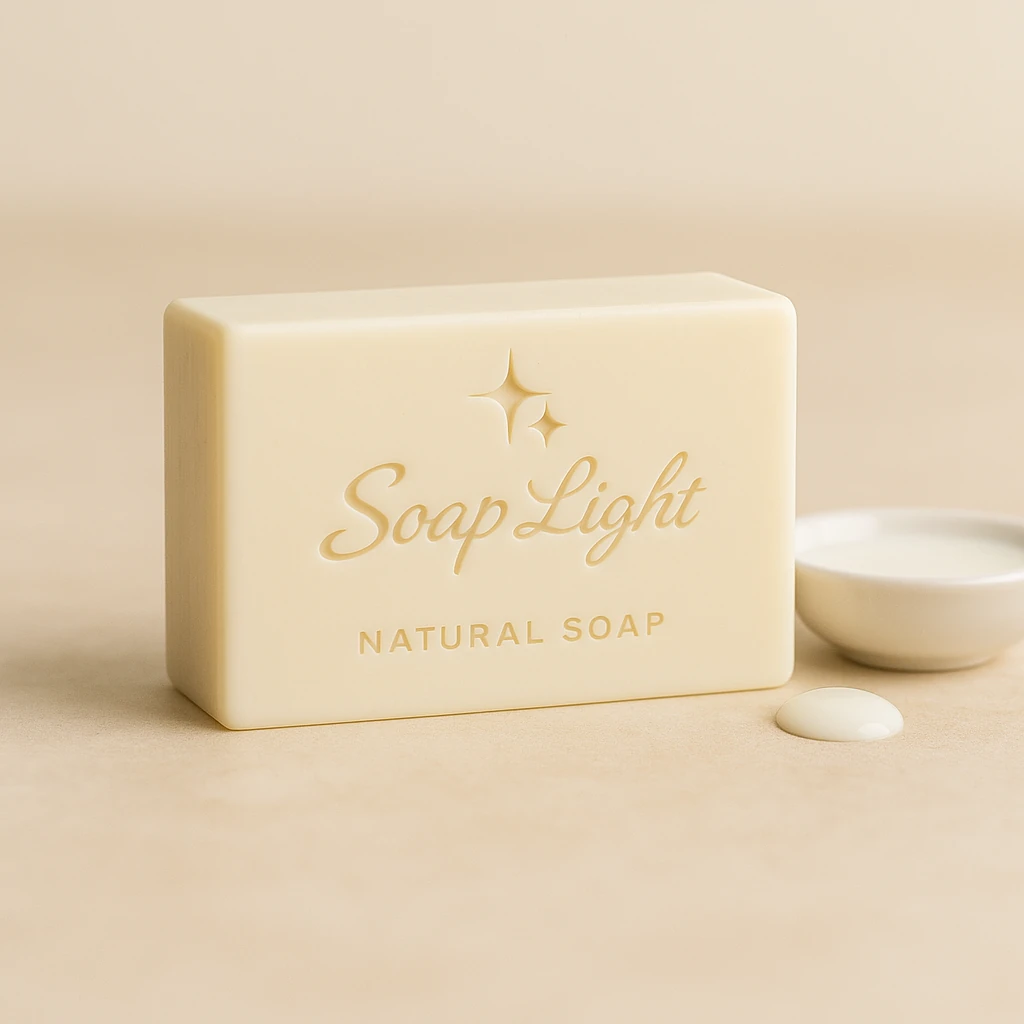
A well-made bar has advantages of its own. It keeps the glycerin produced during soap making, which helps it feel less drying than the pH figure alone would suggest. It is free of the preservatives that a water-based product requires. And a bar built on mild oils such as olive, or enriched with milk, is a very different thing from the harsh, heavily perfumed bars that gave soap its drying reputation.
In practice: if your skin is normal, oily or moderately dry, a good bar will serve you well. If you have a diagnosed skin condition, follow your dermatologist's advice on cleansers, whatever form they take.
Is bar soap hygienic?
This worry did more than anything to sell body wash, so it is worth addressing directly. Bacteria can be found on the surface of a used bar, as they can on any damp object in a bathroom. Studies that have looked at the question have not found that washing with such a bar transfers those bacteria to the skin in any way that matters. They are rinsed away with the lather.
Sensible habits help. Rinse the bar after use, keep it on a dish that drains so it dries between washes, and give each person their own bar if someone in the household is unwell or has broken skin. Incidentally, the mesh sponge that many people use with body wash stays wet far longer than a bar does and needs replacing regularly.
Cost per wash
A bar is concentrated; a bottle is mostly water. It is also much easier to use too much of a liquid, because a generous squeeze feels harmless. Kept dry between uses, one bar typically outlasts a bottle of body wash used by the same person. Prices vary too much to give a single figure, but per wash, a bar is rarely the more expensive option.
Waste and footprint
Here the bar has the clearer advantage. It can be wrapped in paper or sold with no packaging at all, while a body wash comes in a plastic bottle, often with a pump that is difficult to recycle. Because a bar contains almost no water, it is lighter and smaller to transport for the same number of washes. And a traditional soap biodegrades readily.
None of this makes body wash a villain; refill schemes and recycled bottles narrow the gap. But if reducing plastic in the bathroom is one of your aims, switching to a bar is among the easiest changes you can make.
Convenience
- Travel: a bar is not a liquid, so it passes through airport security without a second look and cannot leak in your bag. A small tin or a wrap of waxed cloth is all it needs.
- Shared showers and gyms: a bottle is easier to carry wet. A bar wants a ventilated travel case.
- Children: bars are harder to waste. Bottles are easier for small hands to squeeze, which is not always a benefit.
- The shower itself: a bar needs a dry place to rest. If your shower has no shelf out of the spray, a hanging soap saver solves it.
How to switch without regretting it
Most people who give up on bars do so because the first one turned to mush. The cure is simple: a dish that drains, placed out of the water stream. Everything else follows from keeping the bar dry between uses.
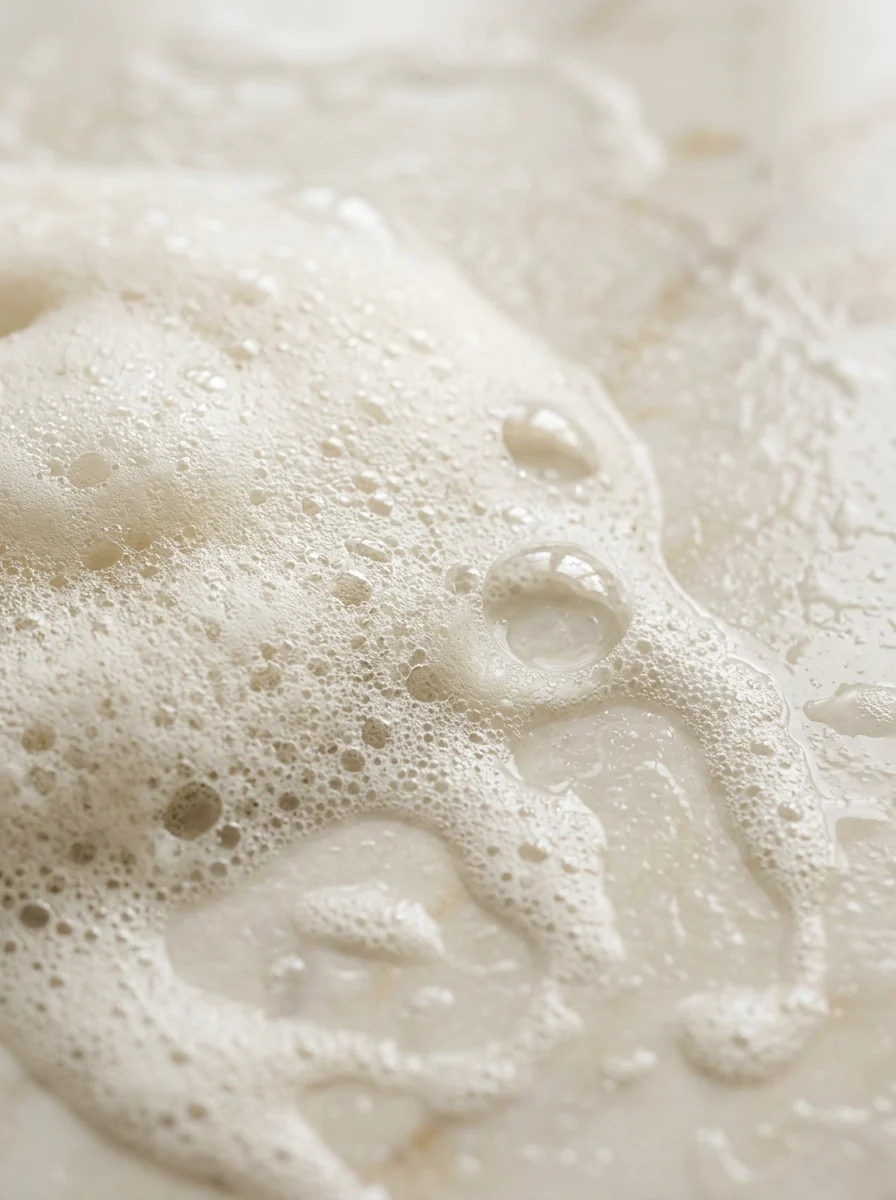
Start with a mild bar rather than a strongly scented or deep-cleansing one. Lather it in your hands or on a cloth and wash with the foam. Give your skin two weeks to adjust before you judge. If you miss a big lather, choose a bar with a little coconut oil in the recipe, or use a wash cloth, which builds foam from any soap.
The verdict
Neither is wrong. Body wash offers a skin-friendly pH and easy lather; bar soap offers a short ingredient list, less waste, better value and, when it is well made, a gentler wash than its reputation suggests. If you have not used a proper bar for years, it is worth trying one again. It has probably improved more than you expect.
Which cleans better?
Both clean the skin effectively. Cleaning power depends on the cleansing agents in the product, not on whether it is solid or liquid. A strong body wash can be harsher than a mild bar, and the reverse. If you want to compare two products, look at how your skin feels an hour after washing rather than at the amount of foam.
Bar soap vs body wash for body odour
Body odour comes from bacteria breaking down sweat, mainly in the underarms and groin. What controls it is washing those areas thoroughly and regularly, rinsing well and drying properly. Either format works. A bar is easy to use precisely where it is needed; a body wash is easy to spread. Neither replaces a deodorant or antiperspirant if you need one.
Bar soap vs body wash for dry skin
For dry skin the format matters less than the formula. A mild, fragrance-free body wash with a skin-friendly pH is a good choice; so is a gentle, superfatted bar rich in olive oil or milk. Avoid strongly perfumed products of either kind, keep showers short and lukewarm, and moisturise straight afterwards.
What dermatologists say
There is no professional consensus that one format is better. Dermatologists tend to focus on the product's gentleness, fragrance and pH rather than its form. Many suggest a non-soap cleanser for very dry or eczema-prone skin, while acknowledging that plenty of people do perfectly well with a mild bar.
Why did people stop using bar soap?
Liquid soaps and body washes were marketed heavily from the late twentieth century as more modern, more luxurious and more hygienic, and the bar of soap began to look old-fashioned. Worries about shared bars, which research has not borne out, helped. The recent return of the bar has been driven by interest in shorter ingredient lists, less plastic and better-made, gentler soaps.
Bar soap, body wash and shower gel: what is the difference?
The labels are used loosely, so it helps to know what usually lies behind each one.
| Product | Typical make-up | Feel |
|---|---|---|
| Bar soap | Saponified oils, glycerin, a little free oil | From creamy to bubbly; rinses clean |
| Syndet bar | Mild synthetic cleansers pressed into a bar | Soft, close to the skin's pH |
| Body wash | Water, mild cleansers, conditioning agents, preservatives | Creamy, often moisturising |
| Shower gel | Water, cleansers, more fragrance, clear gel texture | Lighter, more foaming, usually more scented |
In practice, the difference between body wash and shower gel is mostly texture and scent: body washes tend to be creamier and more conditioning, shower gels clearer, lighter and more fragrant. For dry or sensitive skin, a creamy, fragrance-free body wash, a syndet bar or a mild, superfatted soap are all better choices than a heavily perfumed gel.
If you are trying to decide, think about what matters most to you. If it is the pH and a soft feel, a syndet bar or a creamy body wash. If it is a short ingredient list and less plastic, a well-made soap bar. If it is a strong scent, a shower gel, used sparingly. There is room for all of them; what matters is choosing deliberately rather than by habit.
Most people who give up on bar soap do so because the first one turned to mush. The cure is a dish that drains.
Frequently asked questions
Is it better to use bar soap or body wash?
Neither is better for everyone. Bars have shorter ingredient lists, less packaging and usually lower cost per wash; body washes are often closer to skin's pH. Choose a gentle product in whichever form you prefer.
Which is better for body odour, bar soap or body wash?
Both work. Regular, thorough washing of the underarms and groin is what matters, followed by deodorant if you need it.
Do dermatologists recommend body wash or bar soap?
They usually focus on gentleness and fragrance rather than format. For very dry or sensitive skin, many recommend a non-soap cleanser.
Why did people stop using bar soap?
Heavy marketing of body wash as more modern and hygienic, plus worries about shared bars that research has not supported.
Is bar soap unhygienic?
No. Bacteria on a damp bar have not been shown to transfer to skin in a meaningful way. Rinse the bar and let it dry between uses.
Which lasts longer, bar soap or body wash?
A bar kept dry between uses usually lasts longer, because it is concentrated and harder to over-use.