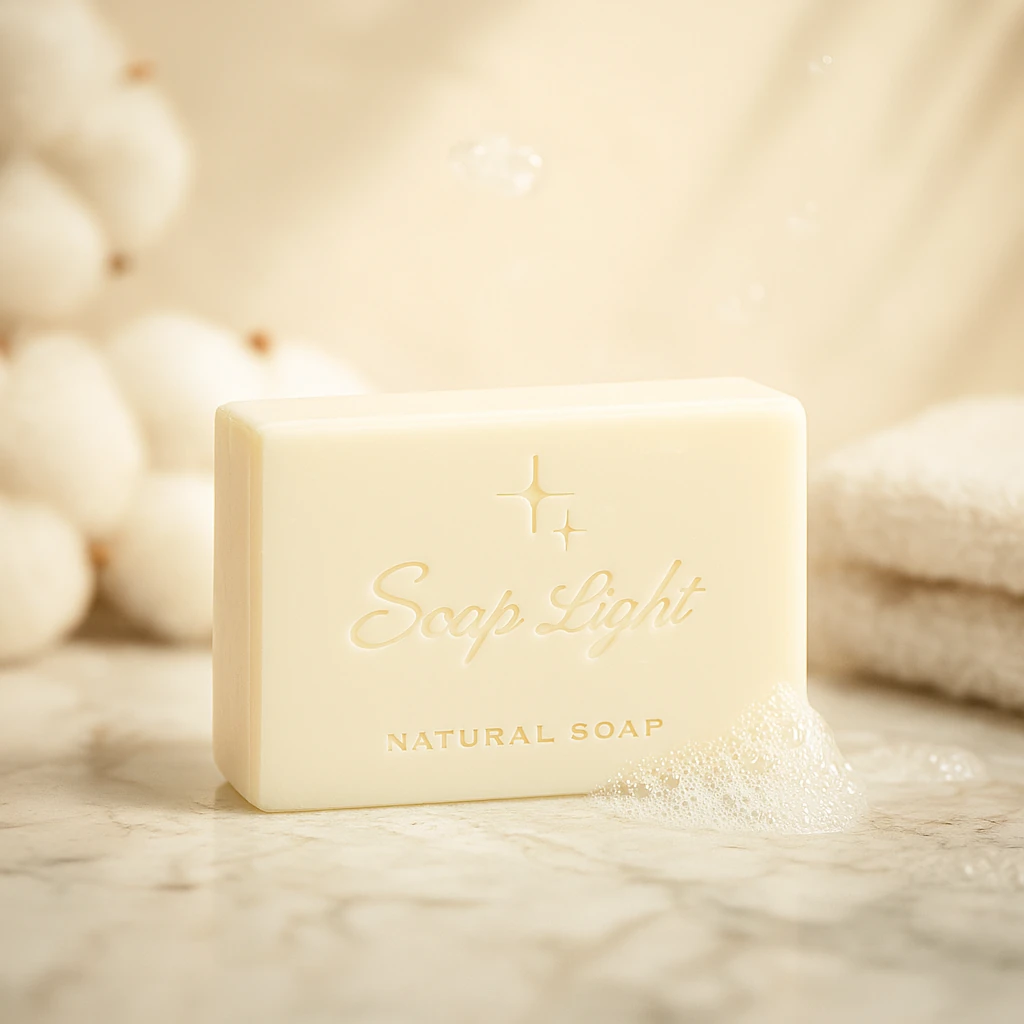
The benefits of goat milk soap for skin and face, its disadvantages and side effects, whether you can use it every day, and what it can't do (such as fade dark spots).
- Published
- October 12, 2026
- Reading time
- 8 min read
- Topic
- Ingredients
- Author
- Oryvane
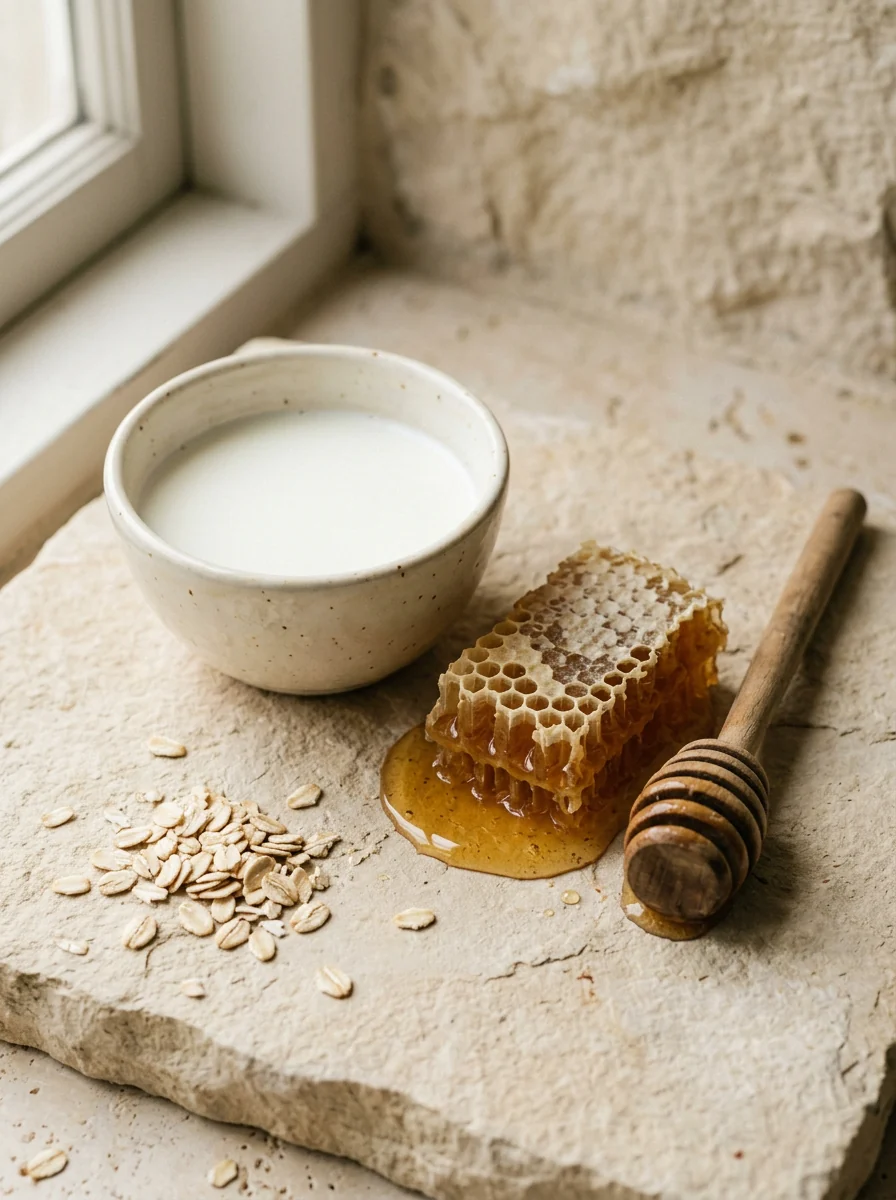
Ask people why they switched to goat milk soap and you will hear the same word again and again: creamy. The lather is thick and soft, the bar feels almost like lotion in the hand, and skin tends to come out of the shower feeling comfortable rather than tight. That experience is real, and there are sound reasons for it.
This guide explains what milk does in a soap, where honey fits in, and how to choose and use a goat milk bar.
What makes a soap a milk soap
Every soap recipe needs a liquid to dissolve the alkali before it meets the oils. Usually that liquid is water. In a milk soap, some or all of the water is replaced with milk. The milk does not make the soap; the oils still do that. But the fats, sugars and proteins in the milk come along for the ride and change the finished bar.
Working with milk is fiddly. The sugars scorch easily when the alkali heats the mixture, so careful makers freeze or chill the milk and add the alkali slowly. It is one of the reasons a proper milk soap is a small-batch product.
What goat milk adds
- Extra fat. Milk fat adds to the portion of the bar that is deliberately left unreacted, which is a large part of why milk soaps feel rich and conditioning.
- Natural sugars. Sugars boost lather. They are the reason milk soaps foam so densely even when the base oils are mild.
- Lactic acid. Milk contains a small amount of this alpha-hydroxy acid. In a rinse-off bar its effect is gentle at most, but it is part of the reputation milk soaps have for leaving skin feeling smooth.
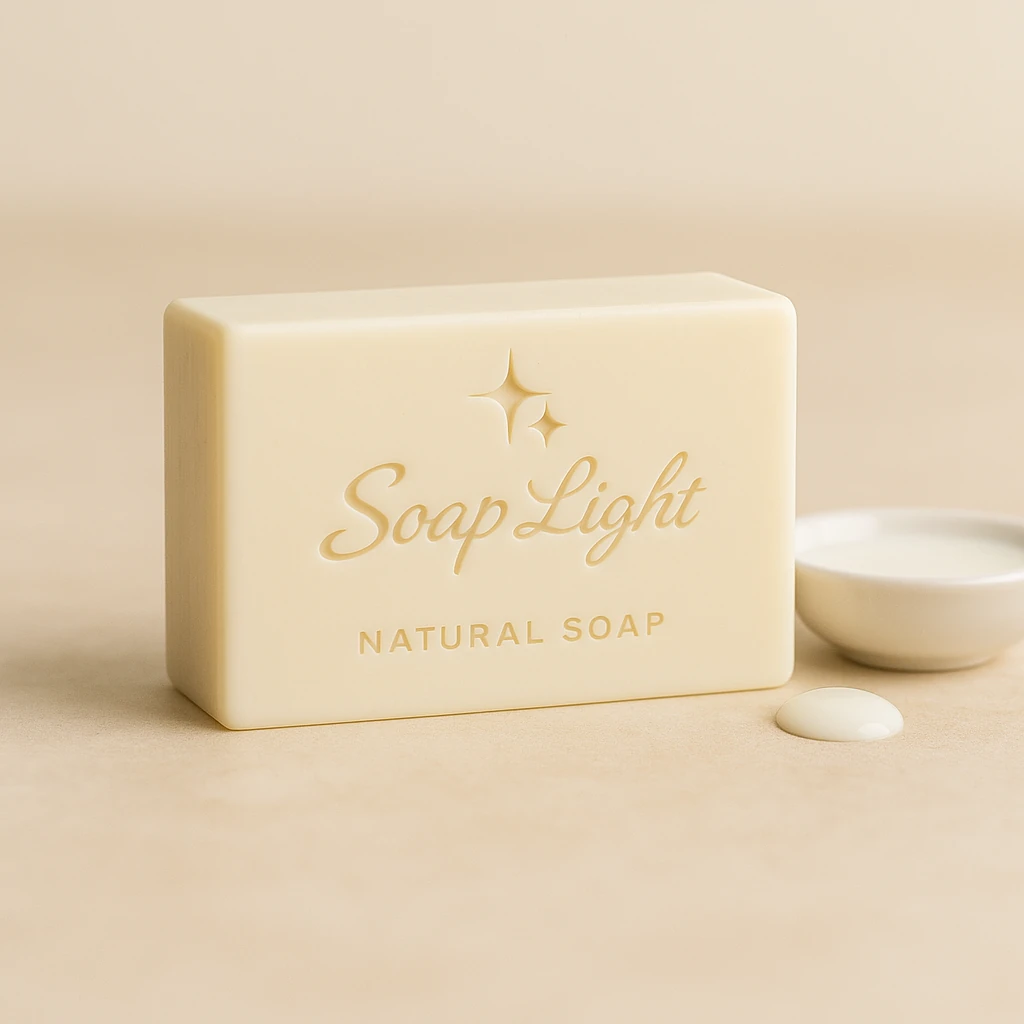
- A soft, comforting scent and colour. Milk soaps are naturally cream to light tan, with a warm, faintly sweet smell.
Goat milk in particular is popular with soap makers because its fat is naturally finely dispersed, which helps it blend smoothly into the batter. The result is the even, velvety texture people associate with these bars.
Where honey comes in
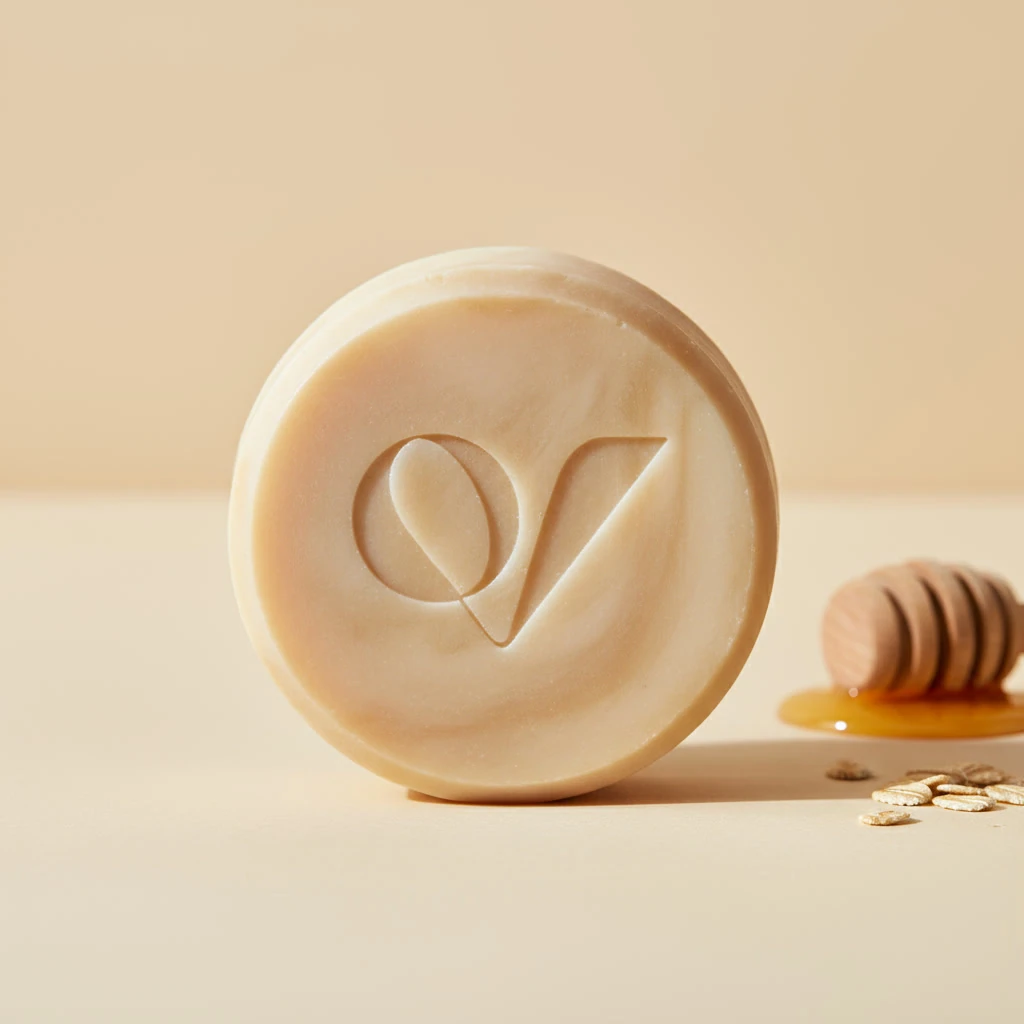
Milk and honey have been paired in bathing for a very long time, and in soap the pairing makes practical sense. Honey is a humectant: it holds on to water. It also adds still more sugar, which pushes the lather further towards rich and creamy.
A milk and honey bar is typically a shade darker and a touch sweeter in scent than a plain milk bar. Choose it if you want the most indulgent version; choose the plain milk bar if you want the simplest one.
How milk soap compares
| Goat milk soap | Olive oil soap | Ordinary commercial bar | |
|---|---|---|---|
| Lather | Thick, creamy, abundant | Low and creamy | Quick and bubbly |
| Feel | Rich, cushioned | Mild, light | Clean, can be drying |
| Scent without fragrance | Warm, faintly sweet | Faint, green | Usually perfumed |
| Best known for | Comfort for dry skin | Simplicity | Convenience |
| Suitable for vegans | No | Yes | Varies |
Who it tends to suit
Dry, tight or weather-beaten skin is the classic match. So are hands that are washed many times a day. People who find foaming body washes too stripping often settle happily on a milk bar.
It is also a pleasant choice simply for the feel of it. Not every purchase has to solve a problem; a bar that makes the evening shower something to look forward to is doing its job.
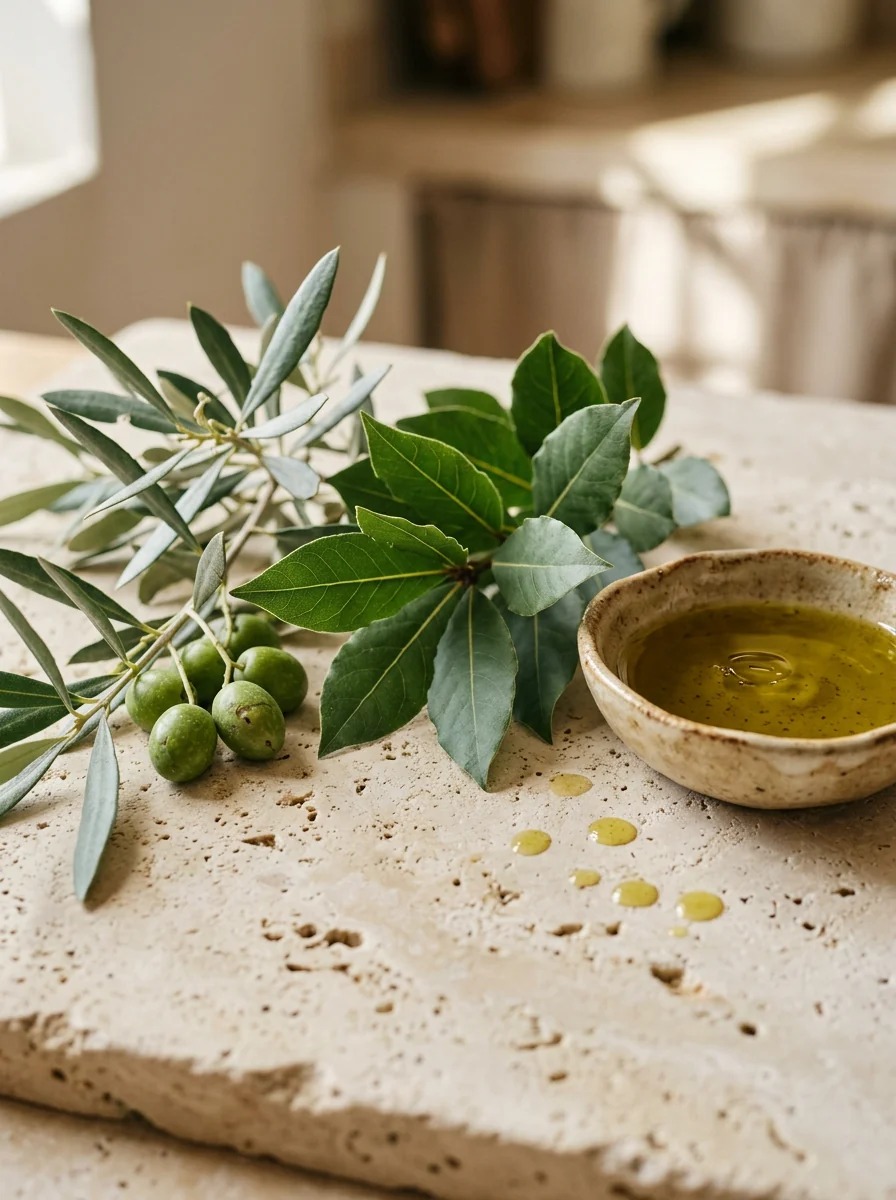
Two groups should pause. If you avoid animal products, a milk soap is not for you; an olive oil bar offers similar gentleness. And if you have a diagnosed milk allergy, speak to your doctor before using milk-based products on your skin, particularly on broken skin.
Keeping expectations honest
Goat milk soap is sometimes sold as a remedy for eczema, acne and other conditions. There is no good evidence that any soap treats these. What a gentle, well-made bar can do is avoid making dryness worse, and for many people that is a real improvement over what they were using before. If your skin has a persistent problem, a dermatologist is the right person to ask.
How to choose a good milk bar
- Milk should be near the top of the ingredient list, not a token at the bottom.
- The colour should be natural: cream, ivory or light tan. Bright white often means added whitener; dark brown can mean scorched milk.
- It should smell gently of milk and oils. A strong perfume is hiding something or simply unnecessary.
- The bar should be firm. Milk soaps are softer than some, but a well-cured bar still holds its edges.
How to use and store it
Lather the bar between wet hands or on a soft cloth with warm, not hot, water. Massage over damp skin, rinse thoroughly and pat dry. Because milk soaps are rich, they need a proper rinse.
Milk bars soften faster than plain soaps if they stay wet, so storage matters even more than usual. Use a dish that drains, keep the bar out of the shower stream, and let it dry completely between uses. If you buy several, store the spares somewhere cool, dry and airy.
Disadvantages and side effects of goat milk soap
Goat milk soap is gentle, but it is not perfect for everyone, and it is better to know the downsides before you buy.
- It is not vegan. If you avoid animal products, choose an olive oil bar instead.
- It is softer than many bars and wears down faster if it is left wet, so it needs a dish that drains.
- People with a diagnosed milk allergy should ask their doctor before using milk-based products on their skin.
- Fragrance added to some goat milk soaps can irritate sensitive skin. The milk itself is rarely the problem; the perfume often is.
- Very oily skin may find it too rich and prefer a more clarifying bar.
Can you use goat milk soap on your face every day?
Many people do. A plain, unscented goat milk bar is one of the more comfortable soaps for dry and normal faces. Use it once a day, in the evening, with lukewarm water, rinse well and moisturise. If you notice tightness or new breakouts, cut back to every other day or keep the bar for your body.
Does goat milk soap remove dark spots?
It is a common hope, and an honest answer helps. Milk contains a little lactic acid, which in leave-on products at the right strength can help with dullness. In a soap that is on your skin for less than a minute, the effect is minimal at most, and soap does not fade hyperpigmentation or lighten skin. Products that genuinely address dark spots are leave-on treatments and, above all, daily sunscreen. A goat milk bar can be a comfortable cleanser alongside them.
How long does goat milk soap last?
Kept on a draining dish and allowed to dry between uses, a standard bar used daily by one person typically lasts four to six weeks. Unused bars keep well for about a year in a cool, dry place.
Goat milk soap in winter, and for the whole household
Many people discover goat milk soap in winter, when central heating, cold wind and hot showers combine to leave skin rough and itchy. It is a sensible season to switch. Use the bar with lukewarm rather than hot water, keep showers short, and apply moisturiser within a few minutes of drying off while the skin is still slightly damp. Hands deserve particular attention: they are washed many times a day and dry out fastest, so a goat milk bar by the basin is one of the simplest comforts you can give them.
Families often ask whether one bar can serve everyone. A plain, unscented goat milk soap is mild enough for most adults and teenagers, and it is a good shared bar for hands. For babies and young children, whose skin is thinner and more easily irritated, follow your doctor's or health visitor's advice; many recommend using no soap at all on young babies, and only a small amount of a mild, fragrance-free cleanser as they grow. Never use any soap on broken or inflamed skin without advice.
Men are increasingly among goat milk soap's fans too. Shaving leaves skin sensitised, and a creamy, low-fragrance bar is a comfortable cleanser for the face and neck afterwards. Some people also like to lather the bar on a wet shaving brush, though it will not give the slickness of a dedicated shaving soap.
Finally, one practical tip for households: give each person their own bar if anyone has a skin infection or broken skin, and keep the bar in use on a draining dish. Milk soaps soften quickly in a puddle, and a dry bar is a long-lasting one.
A milk bar does not promise to change your skin. It promises not to argue with it.
Frequently asked questions
Is goat milk soap good for your skin?
For most people, especially those with dry or normal skin, yes. It is creamy and mild and tends to leave skin comfortable rather than tight.
What are the disadvantages of using goat milk soap?
It is not vegan, it softens if left wet, it may be too rich for very oily skin, and added fragrance can irritate sensitive skin. Anyone with a milk allergy should check with a doctor.
Can I use goat milk soap on my face every day?
Many people can, once a day with lukewarm water and a moisturiser afterwards. Reduce if your skin feels tight.
Does goat milk soap remove dark spots?
No soap removes dark spots. Leave-on treatments and daily sunscreen are what help; goat milk soap can be a gentle cleanser alongside them.
Is goat milk soap good for sensitive skin?
An unscented goat milk bar is often well tolerated. Patch test on your forearm first, as fragrance and other additives can still cause reactions.
Does goat milk soap smell of goat?
No. A well-made bar has a soft, warm, faintly sweet scent.