The real benefits of donkey milk soap for skin and face, how it compares with goat milk soap, its downsides and side effects, and claims (like whitening) to ignore.
- Published
- October 12, 2026
- Reading time
- 7 min read
- Topic
- Ingredients
- Author
- Oryvane
Donkey milk arrives with more stories attached than almost any other skincare ingredient. Cleopatra is said to have bathed in it. So is Poppaea, wife of the emperor Nero, who by legend travelled with a herd of donkeys for the purpose. Whether or not every detail is true, the stories tell us something real: people have associated this milk with soft skin for a very long time.
This article separates what is legend from what is known, and explains what donkey milk actually changes in a bar of soap.
A very old reputation
The ancient accounts of milk baths are impossible to verify in detail, and they have certainly grown in the retelling. What is well documented is that donkey milk remained valued in parts of the Mediterranean and beyond for centuries, both as a food, particularly for infants and the unwell, and for use on the skin.
Its reputation was helped by its scarcity. A donkey produces only a small amount of milk each day, a fraction of what a dairy goat gives, and only while nursing a foal. Donkey milk has always been a rare and therefore prized material, and that remains true today.
What is known about the milk
Nutritionally, donkey milk is often described as the closest of the common animal milks to human milk. Compared with cow or goat milk it is noticeably lower in fat and relatively high in lactose, the natural milk sugar. It also contains proteins, vitamins and minerals, as all milks do.
It is important to be careful about what follows from this. Most of the research on donkey milk concerns drinking it, not washing with it. There is very little rigorous evidence about donkey milk soap specifically. What we can describe with confidence is how the milk behaves in soap making and how the resulting bar feels.
What it does in a soap
In a milk soap, milk replaces some or all of the water in the recipe, and its fats, sugars and proteins become part of the bar. With donkey milk, two things stand out.
- The sugars. Donkey milk is rich in lactose, and sugars are what make a lather fine, dense and creamy. This is the source of the silky foam these bars are known for.
- The lightness. Because the milk is low in fat, it adds less richness than goat milk does. The bar feels smooth and silky rather than heavy and cushioned.
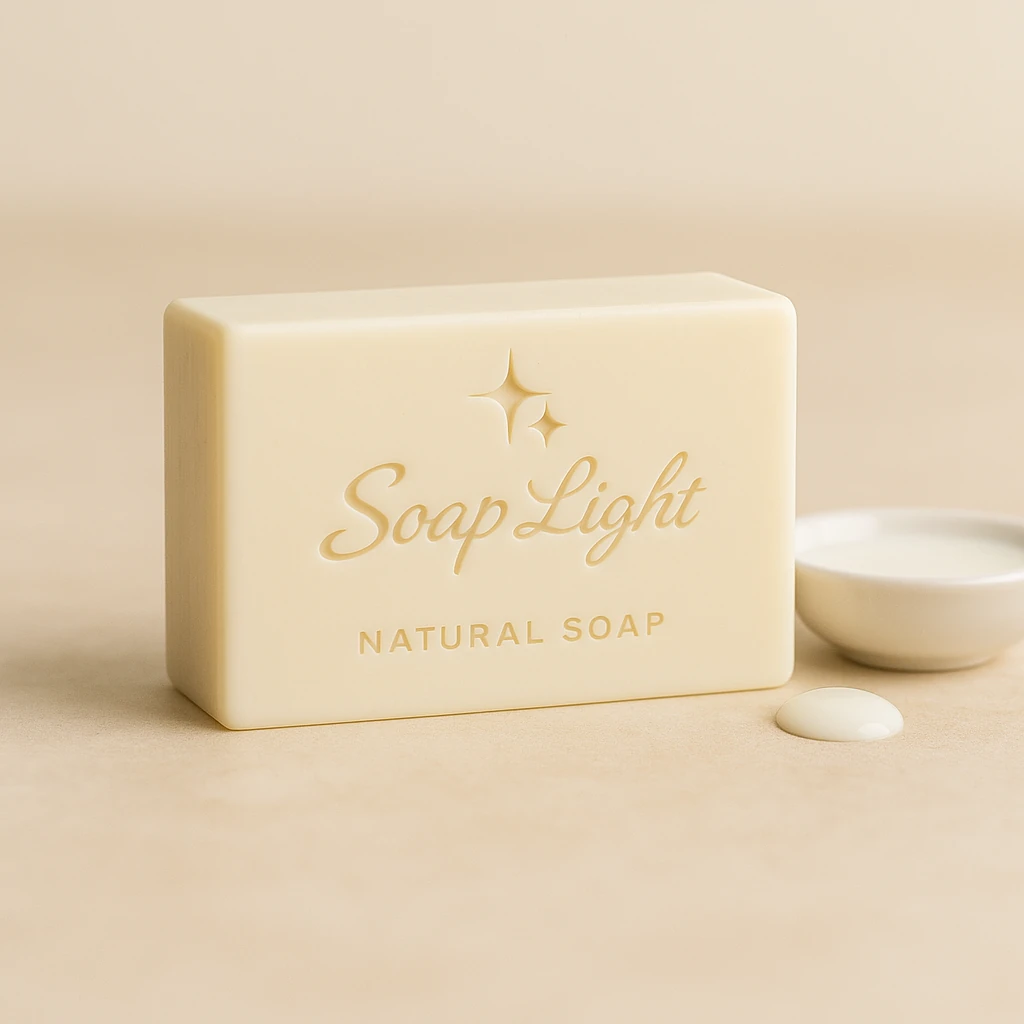
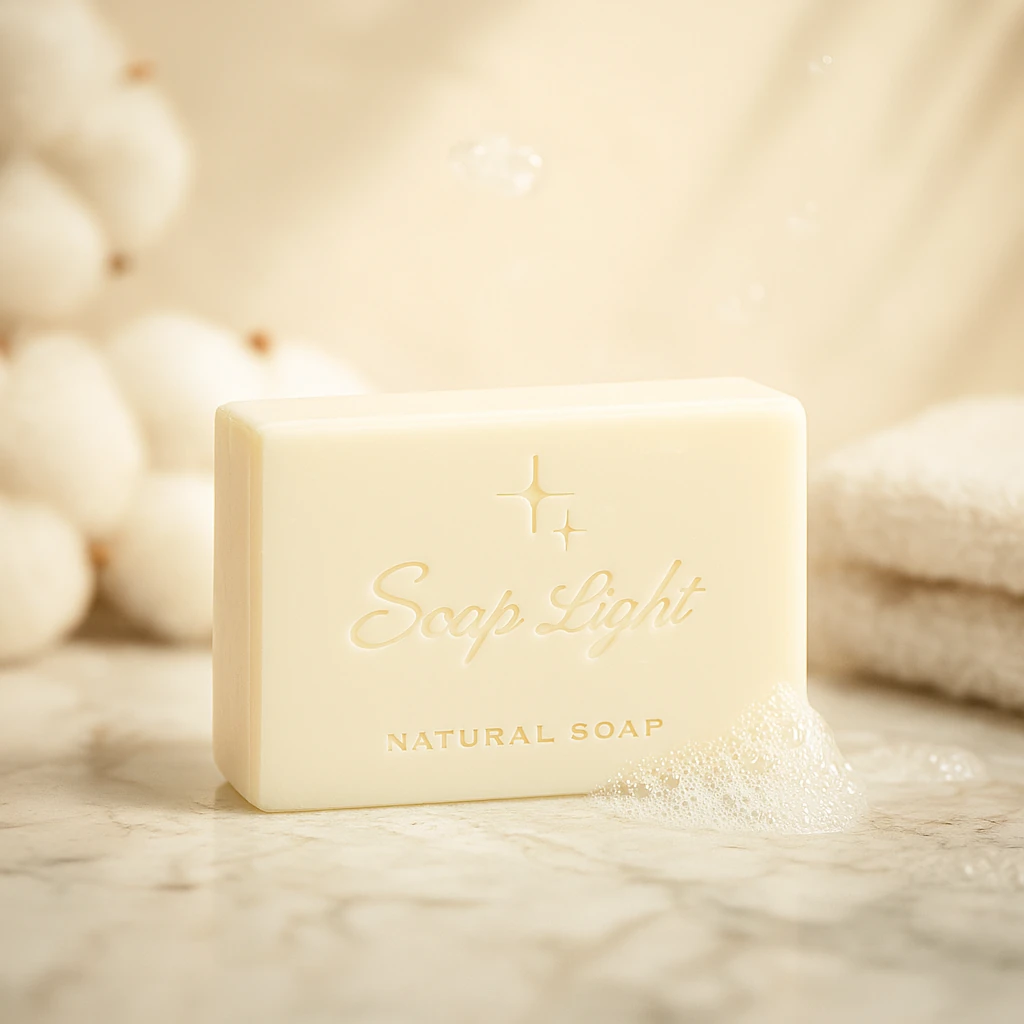
The texture is the honest selling point. People who try a donkey milk bar tend to describe the lather with the same word that ended up in the name of ours: silk.
Donkey milk and goat milk compared
| Donkey milk soap | Goat milk soap | |
|---|---|---|
| Fat in the milk | Low | Higher |
| Natural sugars | High | Moderate |
| Lather | Fine, silky, light | Thick, dense, cushioned |
| Feel after rinsing | Smooth and soft | Rich and comforted |
| Availability | Rare | Widely available |
| Good first choice for | Normal to dry skin; lovers of a light, silky wash | Dry skin; lovers of a rich, creamy wash |
Neither is better. If you like a soap to feel substantial, choose goat milk. If you prefer a lighter touch that still feels gentle, donkey milk is the one to try.
Who it suits
A donkey milk bar is a mild, comfortable everyday soap for most skin types. It is particularly liked by people with normal to dry skin who find rich milk soaps a little heavy, and by those who want a gentle bar for the face.
The same cautions apply as for any milk soap. It is not suitable if you avoid animal products. If you have a diagnosed milk allergy, ask your doctor before using it. And it is a soap, not a treatment: it can be kind to your skin, but it will not cure a skin condition.
On the claims you may see
Donkey milk soap is sometimes advertised as anti-ageing, or as able to regenerate or repair skin. Those are large claims for a product that is rinsed away within a minute, and they are not supported by good evidence. We would rather describe the bar as it is: a carefully made, gentle soap with an unusually fine lather and a long, charming history.
How to use and store it
Lather the bar between wet hands or on a soft sponge until a smooth, creamy foam forms. Massage gently over damp skin, then rinse thoroughly and pat dry. Warm water is better than hot, for your skin and for the bar.
Like all milk soaps, it should be kept dry between uses. Rest it on a draining dish where air can reach every side, and it will keep its shape and last far longer.
Is it worth trying?
If you are curious, yes. Not because it will transform your skin, but because it is a genuinely pleasant bar to use, different in feel from anything else on the shelf, and it carries a story that makes the morning wash a little more interesting. That is a perfectly good reason to choose a soap.
Benefits and disadvantages at a glance
| Benefits | Disadvantages |
|---|---|
| Very fine, silky lather | Not vegan |
| Light, comfortable feel for normal to dry skin | Usually more expensive, because the milk is rare |
| Mild and usually low in fragrance | Like all milk soaps, softens if left wet |
| Pleasant for daily use on face and body | Evidence for specific skin benefits of the soap itself is limited |
Side effects
Donkey milk soap is well tolerated by most people. Possible problems are the same as for any soap: dryness if your skin dislikes alkaline cleansers, and reactions to added fragrance rather than to the milk. Anyone with a known milk allergy should ask a doctor before using it. Patch test on your forearm if your skin reacts easily, and stop if you notice redness or itching.
Does donkey milk soap lighten skin?
Some products are sold with whitening claims, and searchers often ask about it. Soap does not lighten skin or remove pigmentation. Donkey milk soap can leave skin feeling soft and looking freshly cleaned, and that is all a soap can honestly promise.
Donkey milk soap for the face
Its light, silky lather makes donkey milk soap a pleasant facial cleanser for normal and dry skin, and for people who find goat milk soap a little heavy. Wash with the lather for about thirty seconds, rinse well and follow with your usual moisturiser.
How donkey milk becomes soap
Making a milk soap is more delicate than making a plain one, and donkey milk is the most delicate of all because of its high sugar content. When the alkali that turns oil into soap is mixed with milk, it heats up. Milk sugars scorch easily, turning the mixture orange or brown and giving it an unpleasant smell. Soap makers avoid this by freezing the milk into slush or cubes first and adding the alkali slowly, stirring and keeping everything cold.
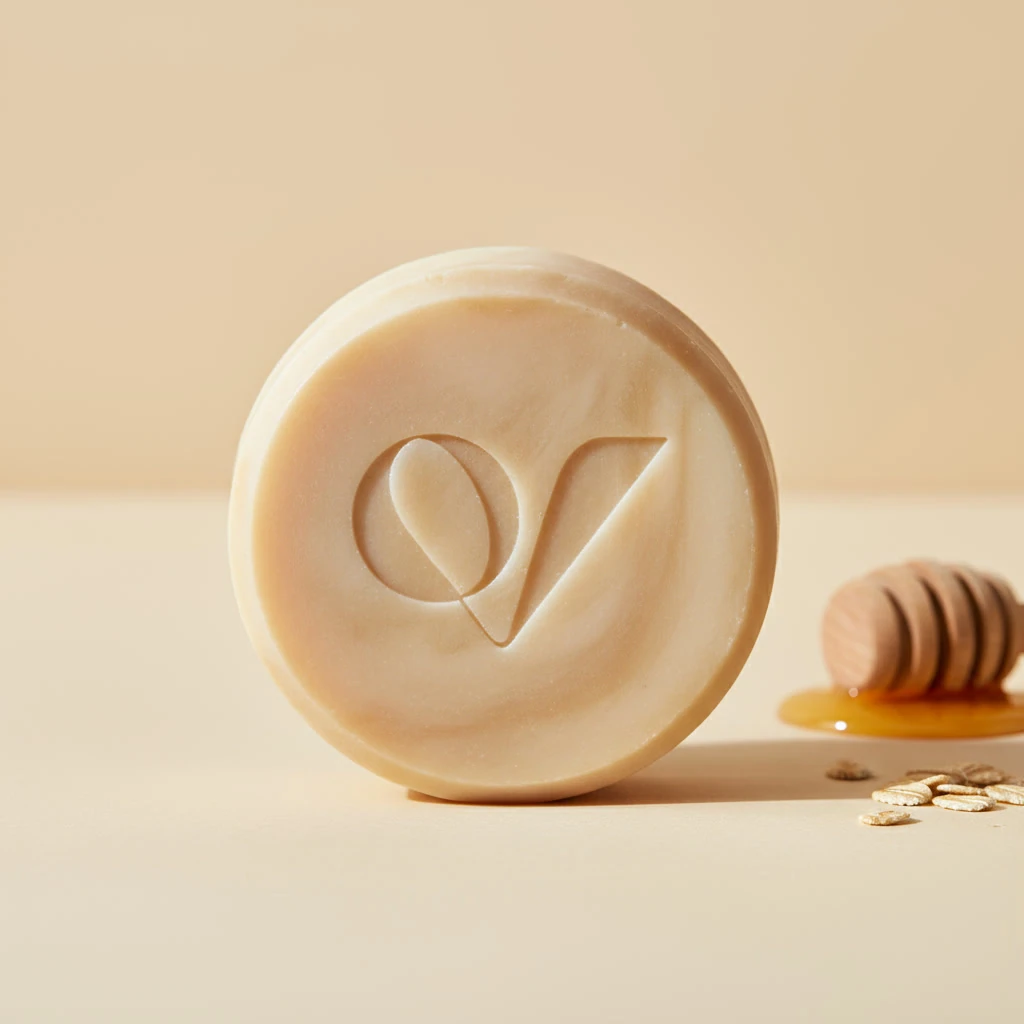
The cold milk mixture is then combined with the oils, poured into moulds, and kept cool rather than warm while it sets, again to protect the milk. After cutting, the bars cure for several weeks like any cold-process soap. The result should be pale cream or ivory, with a soft, faintly sweet scent and no hint of scorching.
Some soaps advertise donkey milk while using only a token amount, sometimes in powdered form. A powdered milk is not necessarily a problem, as it can be reconstituted and used in the same way, but the amount matters. If milk appears near the end of a long ingredient list, it is unlikely to change the feel of the bar much.
Where the milk comes from also matters to many buyers. Donkeys produce little milk and only while they have a foal, so responsible farms take only a share and leave the rest for the young animal. If animal welfare is important to you, it is reasonable to ask a maker where their milk comes from and how the animals are kept.
Cleopatra may or may not have bathed in it. The silky lather, at least, is not a legend.
Frequently asked questions
Is donkey milk soap good for your skin?
For most people, yes. It is a mild soap with an unusually fine, silky lather that leaves skin feeling soft and comfortable.
Which is better, goat milk or donkey milk soap?
Neither is better. Goat milk gives a thicker, richer lather; donkey milk is lighter and silkier. Choose by the feel you prefer.
What are the benefits and disadvantages of donkey milk soap?
Benefits are its gentle, silky wash and suitability for daily use. Downsides are cost, that it is not vegan, and that it softens if left wet.
Is donkey milk good for skin whitening?
No. Soap does not lighten skin or remove pigmentation, whatever it contains.
Does donkey milk soap have side effects?
Rarely. Some people react to added fragrance or dislike any alkaline soap. Anyone with a milk allergy should check with a doctor first.
Why is donkey milk soap expensive?
Donkeys produce very little milk compared with goats or cows, and only while nursing, so the milk is rare.